Tuesday, June 2, 2009

Paris and London (10 years ago)

Monday, May 31, 1999:
I was a bit sad when I woke up that morning, since our Ireland trip was over. After a final breakfast, we said goodbye to our Dublin host family. Then we boarded the tour bus for one last trip - to the Dublin airport. But luckily for me and two friends (Jason and Marisa), this wasn't the end of the trip. The rest of our class flew off to London, and then Dallas and Little Rock. But we we took a different flight, from Dublin to London Stanstead.

From London we took a train south to St. Pancras Station, where we boarded the Eurostar high speed train. This is the train that travels through the Chunnel and into Paris. I was excited to be on it, and to travel through the Chunnel. But the lack of sleep the night before, and perhaps one too many drinks, finally caught up with me. I was exhausted, and promptly fell asleep on the train. Jason woke me up before the train passed through the Chunnel, and I eagerly stared out the windows to see what it was like under the English Channel. And well, it isn't all that thrilling. It's pitch dark inside the Chunnel, save for an occasional safety light. The only thing I saw was my reflection staring back at me. So I went back to sleep and woke up shortly before we arrived in Paris.

At the train station we got a taxi to take us to our hotel, which was simply called "The Paris Hotel." We arrived, and tried to pay the taxi driver what the meter showed that we owed. But we didn't speak French, and he didn't speak English. He took our money, but motioned that we owed him more. We added on some more francs thinking he wanted a bigger tip (he was a good driver - but not that great). That still wasn't enough, and he got frustrated with us. He walked into the hotel lobby and brought out the receptionist, who quickly translated for us. Turns out they charge an extra fee for baggage. Whoops, sorry about that. This wouldn't be the first time that not speaking French would prove to be a problem.

We checked into the hotel and had a look at our view.
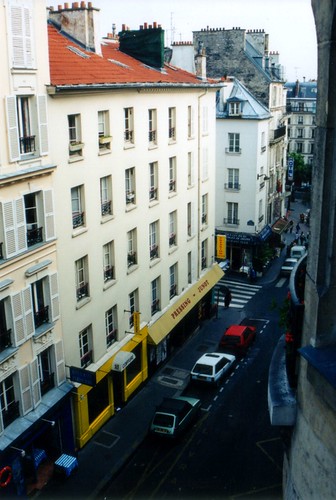
View from the Paris Hotel

Lucky for us, our hotel wasn't that far from the center of Paris. After dumping off our bags we took off to explore Paris, walking through the busy streets. It was a bit of a culture shock compared to Ireland, primarily the language difference (though to be fair, it was often hard to decipher the Irish accent, too).

Soon we passed by the Place de la Concorde, the large plaza at the end of the Champs-Élysées. This is the spot where King Louis XVI and Marie Antoinette met the guillotine.
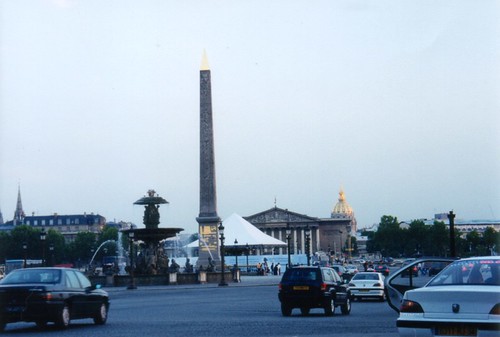
Place de la Concorde
The obelisk here stood at the sight of the guillotine. The 3,300 year old obelisk was a gift to France from Egypt.

I got excited to look up and see our first glance of the Eiffel Tower, poking up over the trees.
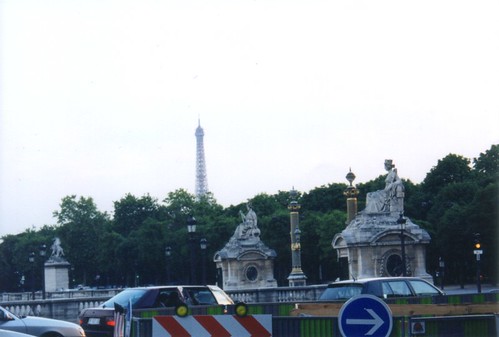
First view of Eiffel Tower

After the heavily structured tour through Ireland, it was nice to have the freedom to go where we want, and when we wanted. We wandered down the streets, with the eventual goal of the Eiffel Tower ahead. We strolled up the Champs-Élysées, and saw the Arc de Triomphe rising in the distance.
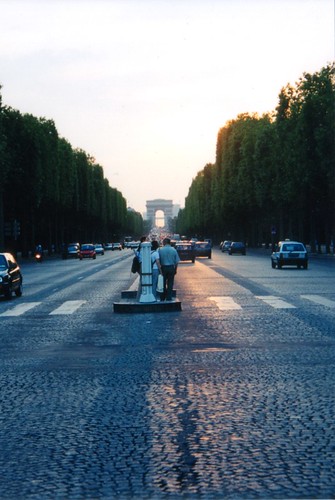
Champs Elysees

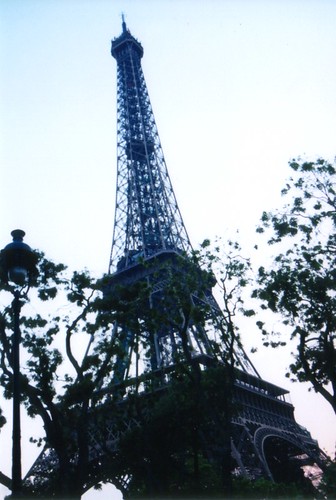
From there we turned back south and made it to the River Seine, where I stopped to get this shot of the Tower.
Eiffel Tower

Finally, we reached the Tower:
Eiffel Tower

After a somewhat hectic day of traveling through three countries, it was nice to just sit in the grass at this little park, enjoying the view. There were people about, walking down the paths or playing soccer. It was nice to sit there and watch as dusk settled in over the city and the lights of the Eiffel Tower turned on.
 Eiffel Tower

Of course it would have helped if I brought a tripod with me.
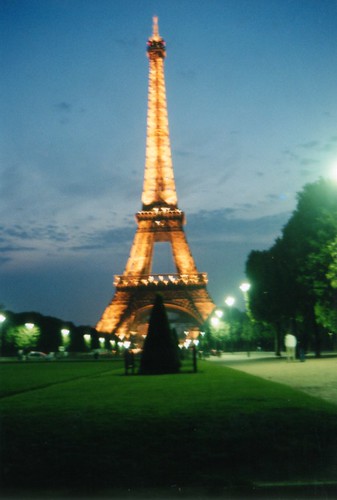
The folly of not bringing a tripod

There just wasn't enough room in the suitcase for the tripod, dang.
If only I had a tripod...

After it got dark, we got up and walked under the tower and across the Seine. None of us had eaten all day, and we saw a stand on the street that sold crepes. Maybe it was because I was starving, but the crepes were awesome. And even better, the person working there spoke English. We walked around some more, passing by the Arc de Triomphe again.
Arc de Triomphe

From there we walked back to the hotel, and got some rest after a busy day.

Tuesday, June 1, 1999:
We woke up the next morning and tried to squeeze in some sightseeing. We had unfortunate timing, however. The few days we had to spend in Paris just happened to coincide with a huge strike. Many of the city's attractions were closed, and we ended up wandering around trying to find something that we could get into.

Our first stop was The Louvre.
The Louvre

Which was closed, of course. No famous art for us. But I was amazed at just how huge The Louvre was.
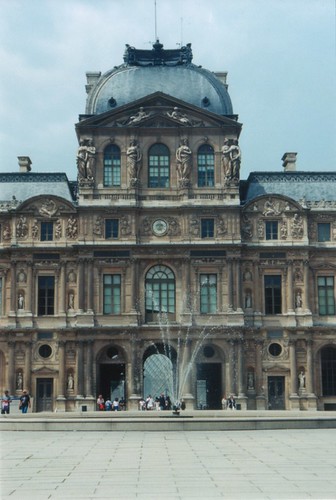
The Louvre

The Louvre

The Louvre

We crossed over the river onto the Île de la Cité to find Notre Dame - which amazingly was open!
Notre Dame

It was a bit dark inside though...
inside Notre Dame

And the memorial to Joan of Arc:
Notre Dame

And while the inside was open, it was hard to get good shots of the exterior (which was covered in scaffolding).
Notre Dame and pigeon

And another view of the Île de la Cité:
Ile de la cite

Jason and Marisa stopped to buy something at a little shop, and I wandered around the store looking at all the goods they offered. I opened up a cooler to look at the different types of ice cream for sale when the shopkeeper at the counter started to yell at me in French (apparently she didn't like that I opened the cooler). I couldn't make out what she was saying, but did understand her when she ended her rant by calling me a "stupid American." I promptly turned around and walked out of the store. Soon after, Jason and Marisa came back out and said that the shopkeeper had apologized, but I wasn't offended. In fact I thought it was hilarious. It wouldn't have been a proper trip to Paris if one of us wasn't called a "stupid American" by a Parisian.

We booked a special tour through our hotel, which included a visit to the Eiffel Tower (thankfully still open) and then an automobile tour of Paris at night. We were able to bypass the lines and quickly get our tickets, and soon found ourselves standing with all of Paris below us.
Paris from the Eiffel Tower

And the view looking up:
Up the tower

And my favorite shot from Paris, of dusk settling in over the city. I'm amazed that it turned out so well. I think I was using the railing as a tripod here.
Paris

The driving tour was nice, but I didn't get any good pictures out of it. It's hard to get good shots from the inside of a moving vehicle at night (and the driver probably wouldn't appreciate someone using the flash while he was driving, either). It was our last full day in Paris, and I was sad that our time there was so short. We hardly cracked the surface of things to do.

Wednesday, June 2, 1999:
We awoke that morning to find that more of the city was on strike. This time it was the subway workers. With the subway closed, it meant that all the buses and taxis were too full or already taken. We had to make it back up to the train station soon to catch the train back to London, but we weren't able to get a ride. The hotel tried to get us a taxi, with no luck. We tried to get onto a bus but there wasn't room for us, let alone our luggage. After missing our train, we got desperate and just decided to walk to the station. Luckily for us, we managed to snag a taxi after walking a few blocks. But we were already hours behind schedule. We managed to get new tickets for the Eurostar, and eventually we were smoothly cruising out of Paris.

I was awake this time and spent the trip staring out the window at the French countryside. That high speed rail is a great way to travel, I wish we could get them over here. Eventually we made it back to St. Pancras Station in London, and from there we walked over to King's Cross Station (no doubt walking right by Platform 9 and 3/4). I have a friend from college whose parents lived about an hour or so northwest of London, and we were taking the train up to stay with them for the night. We took another train north, and eventually stopped at the station near their house.

My friend, Andrew, and his Mom were there to pick us up. One of the first things Andrew's Mom said was, "Have you heard about what happened in Little Rock?" No, we didn't watch the news or hardly turn on the TV when we were in Paris. But by the tone of her voice, it must have been something bad. At first I thought it was a school shooting.

It was a plane crash. On June 1, American Airlines Flight 1420 tried to land during a huge storm. It skidded off the runway, collided with the runway light poles and broke apart. The plane stopped just short of the banks of the Arkansas River. Sadly, eleven people died. Andrew's Mom then asked us what day the rest of our class landed at the airport. Oh no...

We quickly tried to figure that out. They had landed at the Little Rock airport the night before the crash. But if our trip had lasted just one more day, they would have been on the flight that crashed.

We arrived at Andrew's house in the town of Naseby. Like the families we stayed with in Ireland, it seemed like that summer Andrew's parents became host families for all sorts of visiting Americans. Along with the three of us coming in from Paris, there was another friend from college there with his high school buddy. They had been out exploring Europe and were spending a few days in Naseby as well.

After a great dinner, all of us headed out to a pub in Naseby - the Fitzgerald's Arms. It was another long night there, as we all caught up on our various European travels over several rounds.

Thursday, June 3, 1999:
We got up early in the morning and took the train to London, joined now by Andrew. At the train station I went to a newstand and bought the international edition of the USA Today. There on the front page was an article about the plane crash in Little Rock. We hadn't heard the details of what happened until then, and it was chilling to read about it in the paper.

After checking into our hotel near Russell Square, we got out and explored the city. We walked through the pigeon-filled Trafalgar Square...
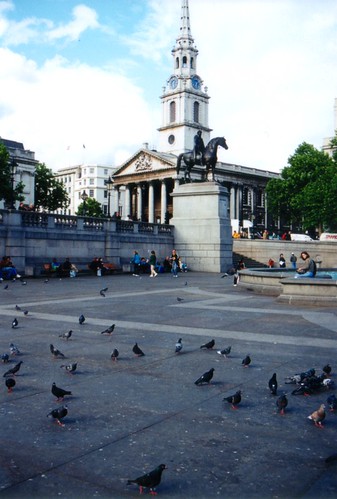
London, finally

And soon made it up to the Houses of Parliament.
London

The sky looks really forbidding in that shot, but the light changed quickly. This was taken just a few minutes later.:
Parliament

And then Westminster Abbey:
Westminster Abby

Westminster Abby

Again we didn't have much time to explore London, and we missed out on seeing a lot of standard touristy sights. Which means I'm just going to have to head back there sometime soon. One last view of Westminster Abbey:
Westminster Abby

Friday, June 4, 1999:
I'm a bit disappointed with the London leg of our trip, we hardly saw any of the big sights. We didn't see the Tower of London or even the Tower Bridge, we didn't see the British Museum (even though our hotel was right next to it), among countless other missed sights. Of course it was a bit silly for us to only visit for such a short amount of time, there is no way you can see a fraction of the sights in either Paris or London in just a few days. At least London wasn't closed due to strike, like Paris was.

We did go up and walk around Buckingham Palace:
Buckingham Palace
The flag is up, which I think means the Queen was there.

And also we visited Kensington Palace. There were flowers placed there in honor of Princess Diana.
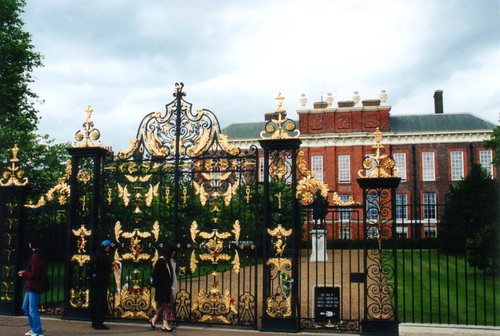
Kensington Palace

And that's pretty much it for London. My ideas for sightseeing were outvoted, so the trip kinda ended with a whimper. This was our last day in London, and I had just used up my 40th roll of film on the trip.

Saturday, June 5, 1999:
It was my birthday! I was 20, and it would prove to be the longest birthday of my life (thanks to traveling over several time zones). We said goodbye to London and Andrew, and made our way to the airport. We flew from Heathrow to Newark, where we went through customs. I thought it was funny that I had never been to New York City before then, but had somehow managed to hit all three of its major airports on this trip.

From Newark we flew to Dallas, and then to Little Rock. We were riding an American Airlines flight, and you could tell that a lot of passengers were nervous to be flying. The couple sitting behind us said that if they hadn't decided to extend their vacation for a few days, they would have been on the flight that crashed.

As we got closer to Little Rock, the pilot came out to talk to us. He said that we shouldn't be nervous, that he had landed once at the Little Rock airport without any problems that day, and that there wasn't a cloud in the sky. We landed safely, and the three of us met up with our families at the gate.

I wasn't too happy to make it back home, I didn't want the trip to end. It didn't help that I was about to start an unpaid summer internship (which I hated). Since that trip, my passport has expired. But one of these days I'm going to head back overseas...

Sunday, May 31, 2009

Ireland (10 years ago) Part 4

Saturday, May 29, 1999:
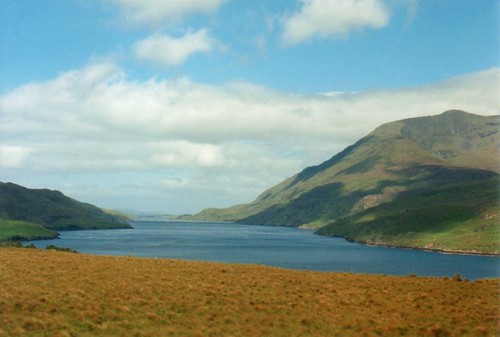
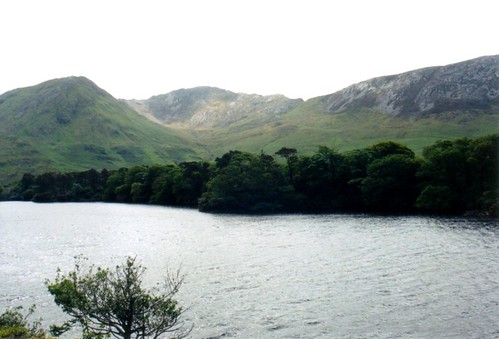
We left Galway and drove north into the Connemara. The Connemara region of western Ireland has spectacular scenic views, with rolling hills and deep lakes. This area is also home to the largest Irish-speaking population in the country. I spent the trip staring out the window at the awesome scenery.

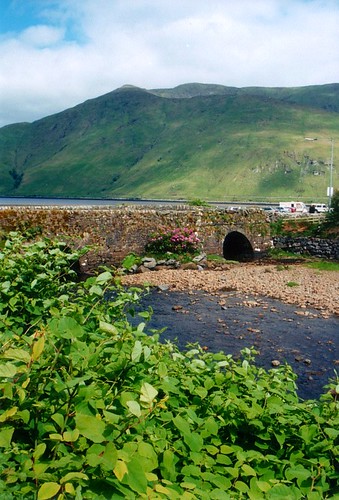
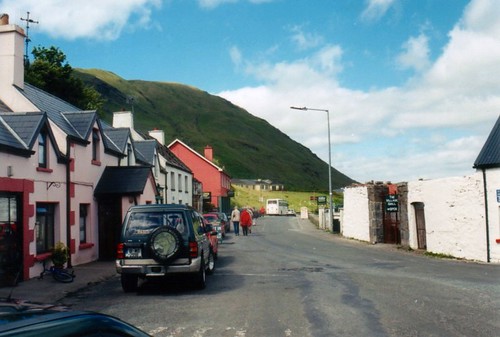
For lunch we stopped at this sleepy little village:
A villiage in the Connemara

The Connemara

And the view of the Connemara, from the window of the tour bus:
The Connemara

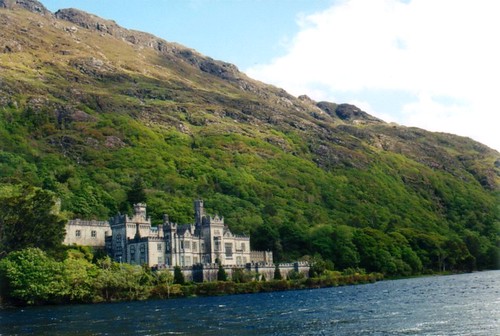
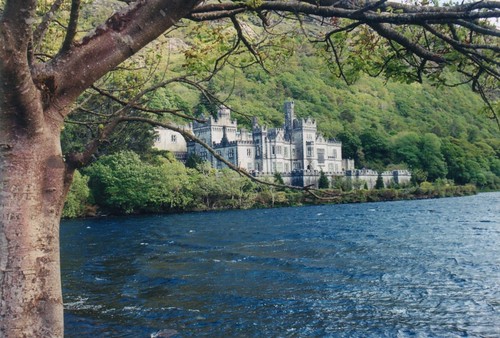
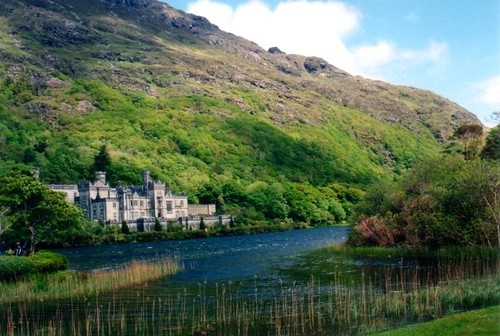
Our next stop was the amazing Kylemore Abbey, which sits alongside a lake and is nestled under several huge hills.
Kylemore Abby

Construction on the Abbey ended in 1868, and it was built as the private home for an English politician from Manchester who was the MP for Galway County. After his wife died, he sold what was then called Kylemore Castle to a group of Benedectine monks who were escaping Belgium during World War I. The Abbey now serves as a monastery and a girl's boarding school.
Kylemore Abby and tree

The view from the front of the Abbey:
The view from Kylemore Abby

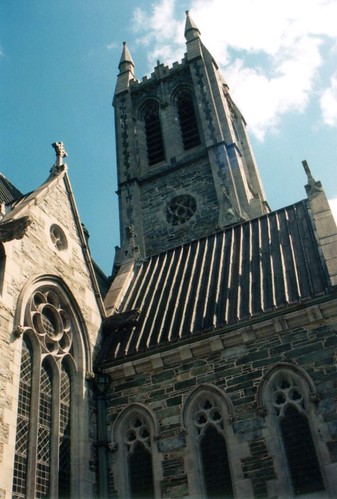
Another feature of the Abbey is the neo-Gothic church, built between 1887 and 1881. The church is a replica of the Norwich Cathedral in England.
Kylemore Abby cathedral

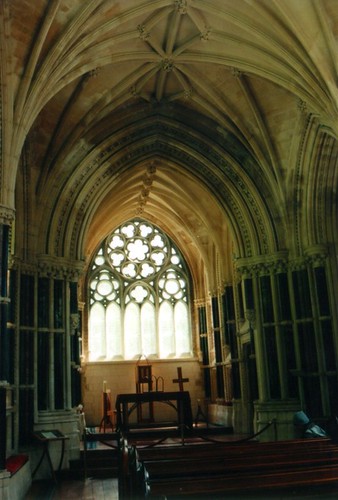
And the view on the inside:
Kylemore Abby cathedral interior

Kylemore Abby cathedral interior

Kylemore Abbey is an awesome place, I can't imagine what it must be like to attend school there.
Kylemore Abby

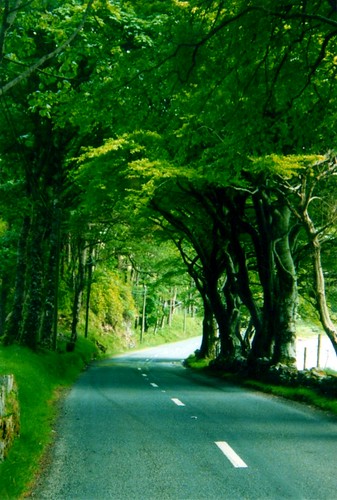
As we were driving away from the Abbey, the driver stopped the bus in the middle of the road. He said we were at a pretty spot, and if anyone with a camera would hurry, they could get a quick shot. So I quickly made my way to the front of the bus and got this shot through the windshield.
Road near Kylemore Abby

After that we drove further north to the city of Sligo.
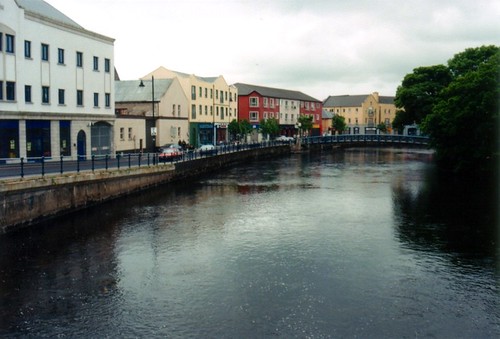
Sligo

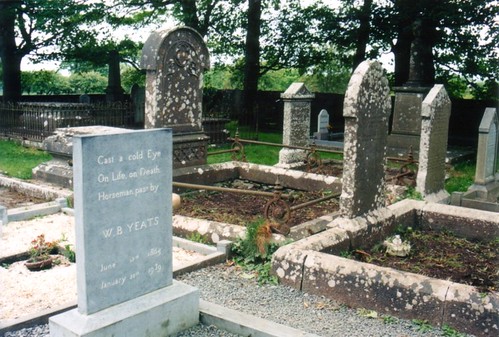
We made the short drive over to the Drumcliffe graveyard, which is the final resting place for the Irish poet William Butler Yeats.
WB Yeats gravesite

Yeats was the first Irishman to win the Nobel Prize for literature in 1923, just after Ireland gained its independence from England. He was a driving force behind the Irish Literary Revival, and even served two terms in the Irish Senate. His epitaph is taken from the last lines of "Under Ben Bulben", one of his final poems:
Cast a cold Eye
On Life, on Death.
Horseman, pass by.


While we were there, another large tour bus pulled up. The tourists emptied out of the bus and walked around the cemetery. "Where are we now?" one of them said loudly. "At the grave of W.B. Yeats," came back the answer. The same person said, "Who is that," and when she was told it was a famous poet, she just turned around and walked back to the bus.

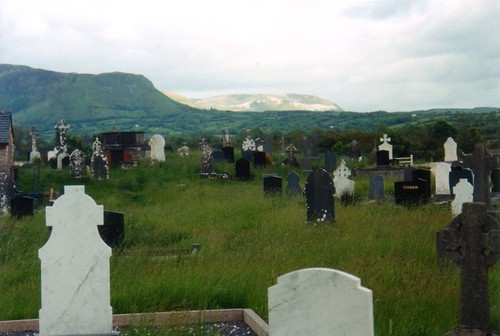
How rude, I thought. Even if you weren't familiar with who Yeats was (our class had at least read some of his work before the trip), you should show some respect to the cemetery, at least. It is a pretty little cemetery, overlooked by the nearby Ben Bulban Mountain.
Drumcliffe churchyard

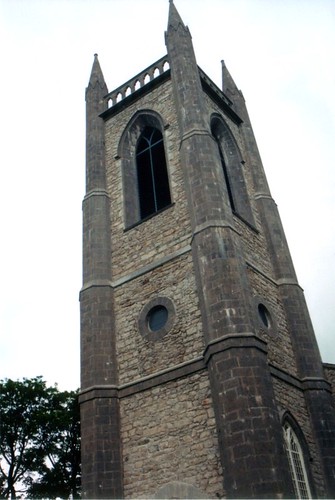
There was even a neat old church and high cross there, too.
Drumcliffe cathedral

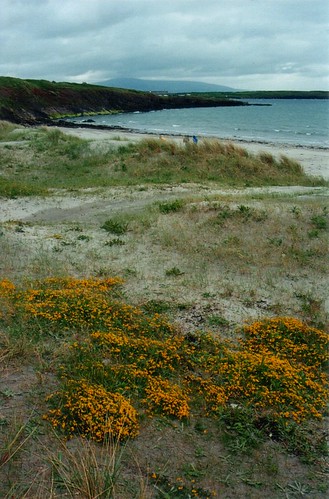
From there we headed on to Rosses Point, a peninsula in the Atlantic Ocean where William Butler Yeats and his brother spent their summers. It was another scenic spot.
Rosses Point, Sligo

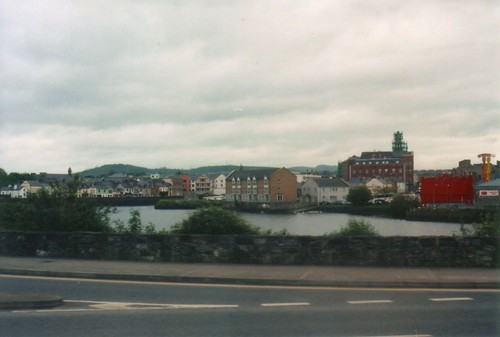
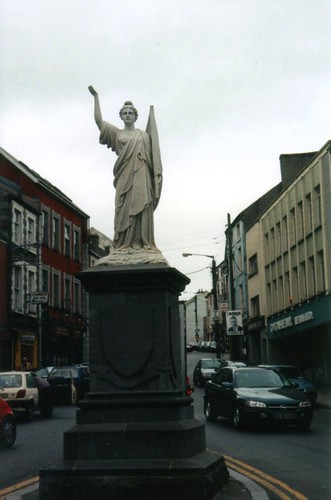
We went back into Sligo so we could get some dinner. Sligo is also a neat little town.
Sligo

Sligo's name comes from the Irish Sligeach,meaning "shelly place" because of the large number of shellfish found in the river and estuary.
Sligo

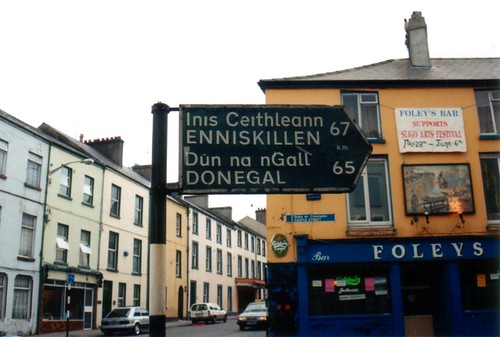
A castle was built here in 1245, but the town was often attacked and burned during the medieval period. The only medieval building left in Sligo is Sligo Abbey (which we didn't get to see). Bram Stoker's mother was from Sligo, and it's said that ghost stories he heard about the Sligo Abbey were the inspiration for Dracula.

Sligo street sign

It was one of our last days in Ireland, and we spent the night at a bed and breakfast.

Sunday, May 30, 1999:
We left Sligo early that morning, and then drove across Ireland to Dublin. I was amazed that we drove all the way across an entire country in just a few hours. But we had the entire afternoon as free time, where we could visit any sights in Dublin that we wanted to.

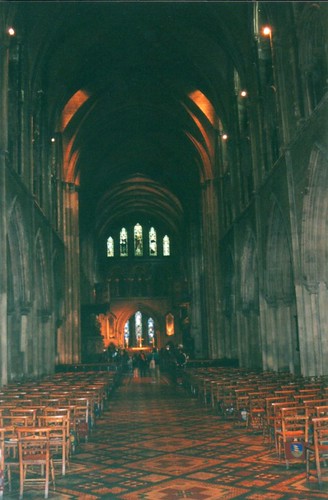
Our first stop was St. Patrick's Cathedral - the largest church in Ireland. The church is built near a well that St. Patrick used to baptise converts, and the the current cathedral was built between 1200 and 1270. When Oliver Cromwell was in Dublin, he stabled his horses in the nave of the cathedral. The church underwent a major renovation in the 1860's, funded by the Guinness family.
St. Patrick's Cathedral interior

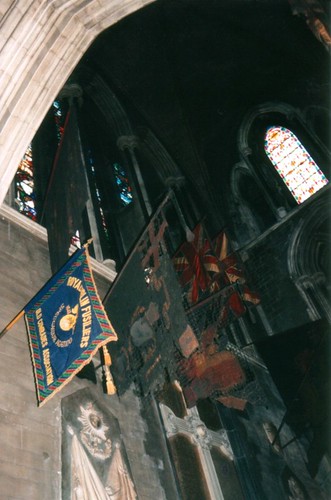
Hanging above the pews are hundred of flags, which were carried by Irish troops during battles.
St. Patrick's Cathedral

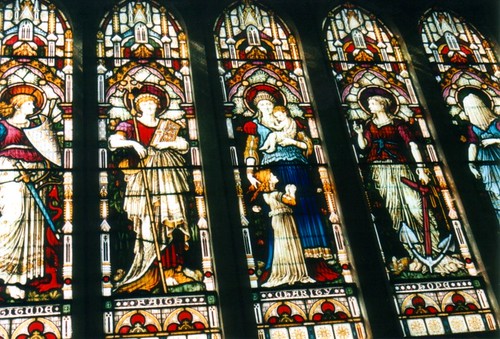
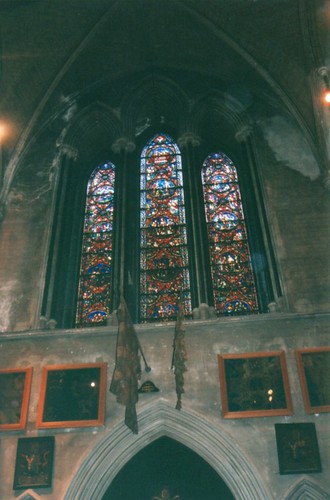
There are a lot intricately designed stained glass windows in the cathedral.
St Patrick's Cathedral

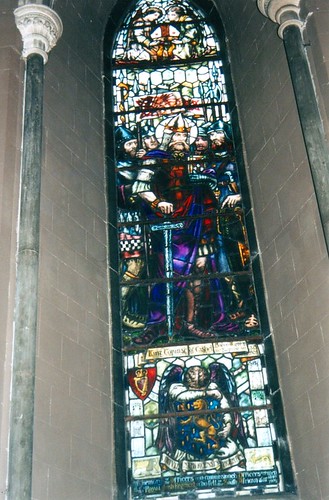
But this one was my favorite of the stained glass windows:
King Cormac window

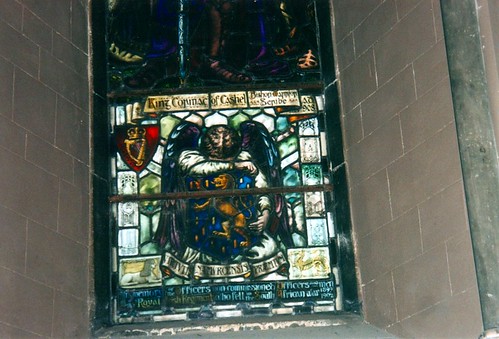
Why is it my favorite? Because it shows King Cormac (my long lost relative?)
King Cormac window

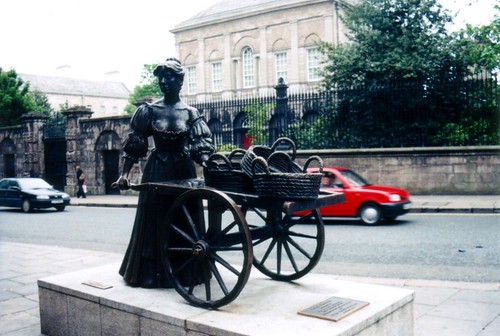
Our bus driver was kind enough to give us a lift back over to Trinity College, and we began a walking tour of Dublin. We passed by the statue of Molly Malone, the fishmonger featured in Dublin's anthem, Molly Malone:
In Dublin's fair city,
where the girls are so pretty,
I first set my eyes on sweet Molly Malone,
As she wheeled her wheel-barrow,
Through streets broad and narrow,
Crying, "Cockles and mussels, alive alive oh!"

Dubliners have given the many statues in their fair city some nicknames, and this statue of Molly Malone is referred to as the "tart with the cart."
Molly Malone statue

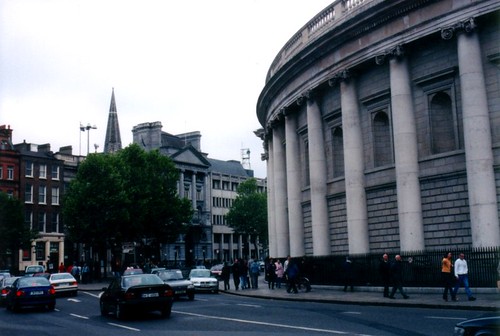
At College Green, near the front entrance to Trinity College, sits this view. On the right is the Bank of Ireland building, which served as Ireland's Parliament House until 1800.
Dublin

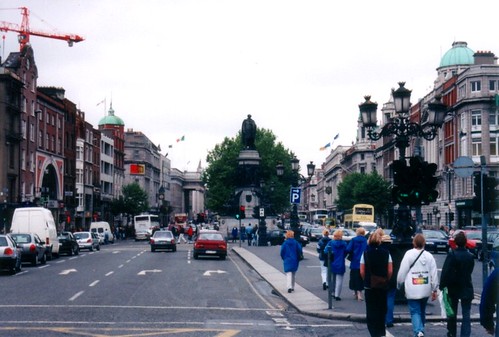
From there we walked up the busy O'Connell Street...
O'Connell Street

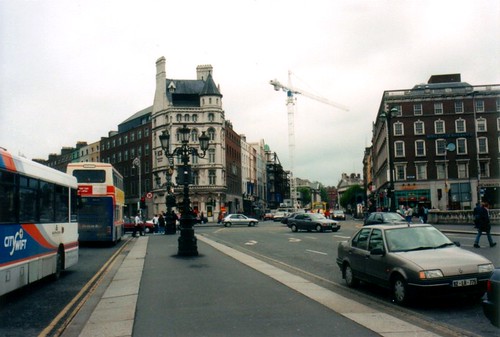
O' Connell Street

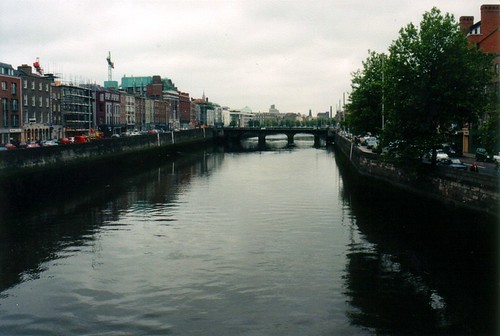
The view of the River Liffey from the middle of the O'Connel Street Bridge:
from the O'Connel' Street bridge

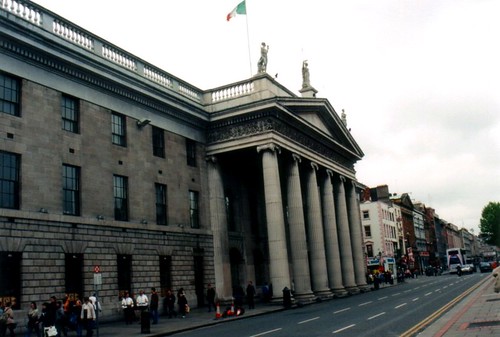
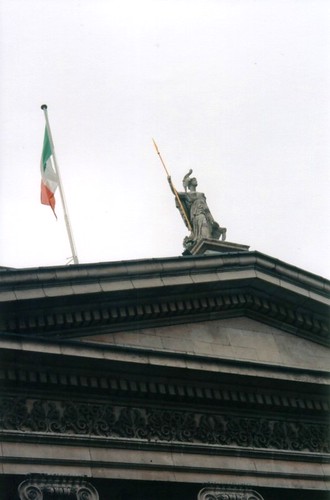
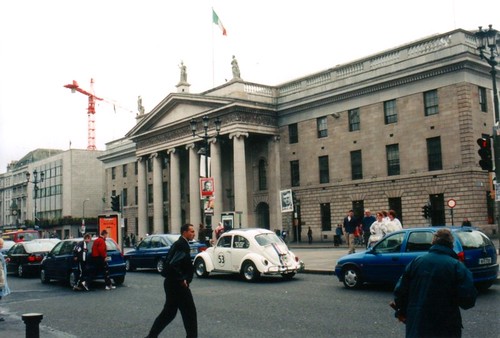
We walked by the General Post Office, the sight of the 1916 Easter Rising. It was from here that Patrick Pearse read out the Proclamation of the Republic, which proclaimed independence from England. The rising was suppressed seven days later, after the English began to bombard the area around the GPO. Fires caused by the shelling caused the Irish rebels to dig tunnels from the GPO and through neighboring buildings. On April 29,1916, the rebels surrendered.
General Post Office

The GPO was heavily damaged during the rising, and you can still see bullet holes on the columns along the front of the building. But the Easter Rising brought about a growing desire for Irish Independence, and the Anglo-Irish treaty of 1920 divided Ireland into the Republic of Ireland and Northern Ireland.
General Post Office

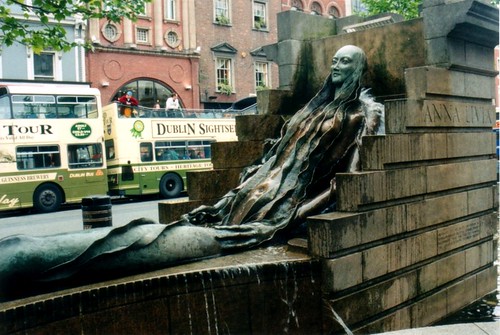
Outside of the GPO sat the Anna Livia fountain, which was meant to personify the River Liffey. Dubliners loving named this statue the "Floozie in the Jacuzzi."
Anna Livia fountain
This statue sat on the spot of Nelson's Pillar, which was built in 1809. The pillar included a statue of Lord Nelson that was similar to the statue in London's Trafalgar Square. In 1966, an IRA bomb destroyed the statue and damaged the pillar, and it was taken down. The Anna Livia fountain was built in 1988, and moved in 2003 to make way for the Dublin Spire.

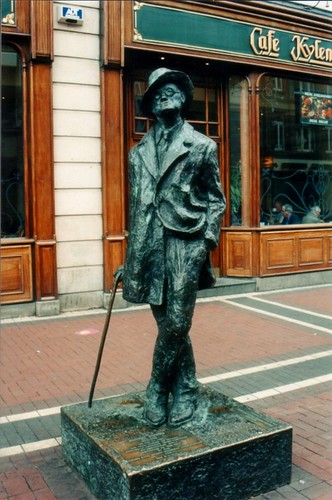
Walking down O'Connell Street we passed by this statue of James Joyce, which Dubliners lovingly refer to as "the prick with the stick."
James Joyce Statue

Then we had one of the most bizarre encounters of the trip. We hadn't had lunch yet, and looked for someplace to get a quick bite to eat. We were right next to a Burger King, and we reluctantly went in (none us really wanted to travel abroad and then eat at an American fast food place). But I'm glad we did.

We all stood in line, trying to figure out what to get. Someone in line ahead of us looked a bit familiar. After he walked past, we tried to figure out who it was. One of us remembered where we had seen him before - he was the guy who played Frank Fontana on Murphy Brown! We debated back and forth on whether or not it really was him or not. Some other Americans were behind us in line and overheard us talking, and they said they thought it was him as well.

I was the last one in line, and while I waited for my food, my friends walked over to talk to Frank Fontana, whose real name is Joe Regalbuto. They said that they were just able to ask, "excuse me, are you.." before he cut them off and said that yes he was. They said he was nice and signed some autographs. I was a bit dissapointed that they did this while I was waiting to get my food.

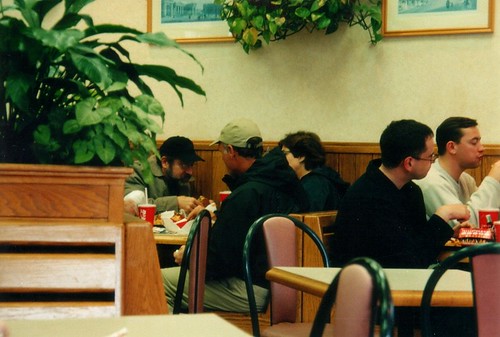
But we sat down and started to eat, across the dining area from the table where Joe Regalbuto was sitting with three other people. As we finished our meals, we kept on trying to discreetly look over at the table with the famous person at it. There was another person there who also looked familiar. Who was that?

Then suddenly it dawned on us, that person looks like Steven Spielberg! No way, I thought, what would he be doing at a Buger King of all places? There was a security guard walking around, talking importantly into a walkie-talkie. So we asked him, "excuse me, is that Steven Spielberg sitting over there?" And he answered simply, "why yes, it is."

Holy crap! I took the camera out and tried to get a shot without anyone noticing. I feel bad since I felt like a paparrazi. But I didn't think anyone would believe me without any proof of the encounter.
Steven Spielberg!

When they had finished eating, we decided to go and have a quick chat with them. Steven Spielberg didn't seem like he wanted to be recognized, so he didn't say much. But one of my friends said that he really liked Schiendler's List, which made Speilberg look up and smile, and say thanks. I tried to say something but I was nervous and ended up mumbling something incoherent that probably made me look like a crazy person. We went off and let them enjoy the last of their fries in peace.

And actually, Steven Spielberg wouldn't be the last celebrity we saw in Dublin that day. Right by the GPO, we also spotted Herbie:
GPO and Herbie

We were running out of time though. We had to meet back up with the bus soon, but I rushed into a sporting goods store along O'Connell street to do some last minute shopping. At the pub earlier on the trip, I saw someone wearing what I thought was the jersey for Dublin's soccer team. I hurried and tried to find it in the store, and quickly purchased one. I later found out that it wasn't a soccer jersey but was instead the jersey for Dublin's Gaelic Football team. Oh well, it's a pretty cool looking jersey anyways.

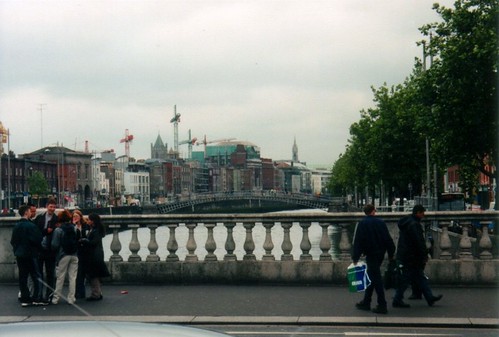
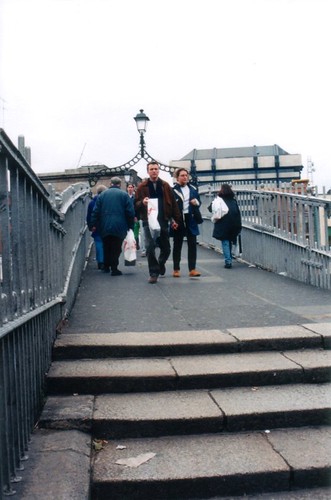
Now we were really pressed for time. But we wanted to go out and see the Ha'penny Bridge, which crosses the River Liffey. We ran down the road and up to the bridge.
Ha'Penny Bridge

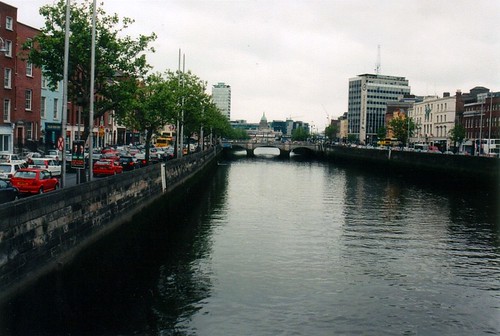
The Ha'penny bridge is a pedestrian bridge over the River Liffey, built in 1816. The name comes from the toll that was charged to cross the bridge when it was built - half a penny. It's free now to go across the bridge. The views from the bridge:
River Liffey from Ha'Penny Brige

River Liffey from Ha'Penny Bridge

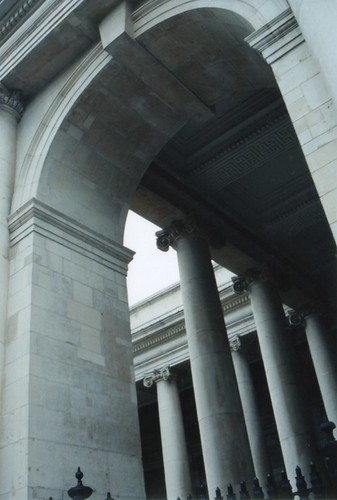
The bus was waiting for us by Trinity College, so we hurried over to meet it. I quickly got a few shots along the way. This was from under the columns of the Bank of Ireland building:
Bank of Ireland bulding

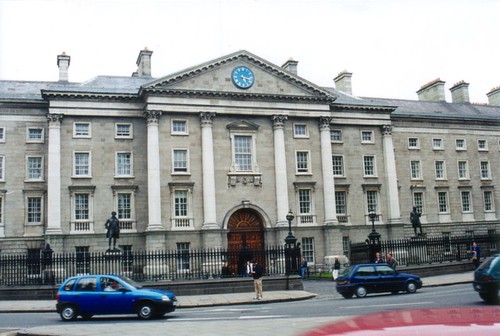
And Trinity College:
Trinity College

The bus was waiting at the college, and I got this one last shot before getting on board.
Dublin

On the bus we proceeded to tell the rest of the class about our celebrity sightings. The bus driver tried to interupt so he could give out some facts about Dublin while he was driving around. But by the end of our story, he was anxious to share his celebrity sighting of the day. He said he went to a pub for lunch, and sat down right next to Tom Selleck. He said that the two of them had a nice talk while they ate their lunches.

Eventually we were dropped off and met up one last time with our Dublin host families. This was our last day in Ireland, so we went out to the pubs for one final night. We tried to enjoy it as much as we could, and stayed until the pub closed. It probably wasn't a good idea, since we had to meet the bus in the morning for the ride to the airport. Luckily for me and two friends, we still had a few more days of sightseeing to do...